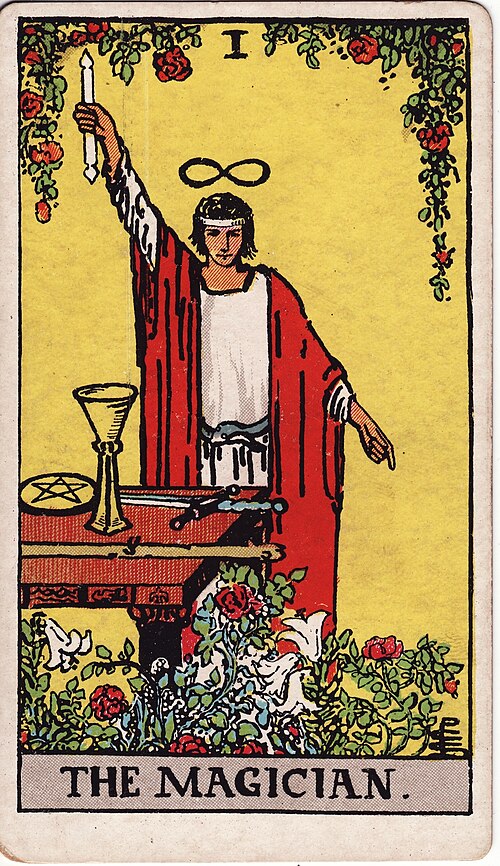
Hold your question in mind and turn the card. The deck is the Rider–Waite, shuffled fresh each time.
Tap the card
This is one card. A reader lays the full spread and answers what you actually asked.
+1 918 309 2106You choose the length of the reading and pay that exact amount. Nothing is charged that was not agreed first.
Every reading on this line is given entirely in Spanish, by readers who speak it as their first language.
There is no interpreter and no bilingual script. You call, and the person who answers reads the cards in Spanish from the first word to the last — including the parts that are hard to say.
A reading works on nuance: a hesitation, the way you phrase a question, the word you choose for someone you love. In a second language all of that is lost. In your own, the reader hears it.
Miami, New York, Los Angeles, Houston, Chicago, Dallas, San Antonio, Orlando, Phoenix, Atlanta, Las Vegas, New Jersey — wherever you are, the line answers in Spanish, twenty-four hours a day.
Tarot y videncia por teléfono, en español, las 24 horas, en todo Estados Unidos. Precio fijo desde $10 y pago seguro con tarjeta. Llama al +1 918 309 2106.
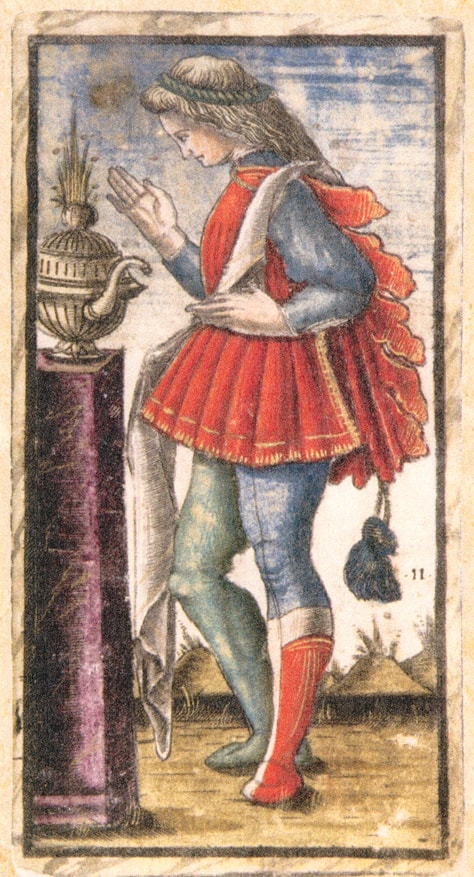
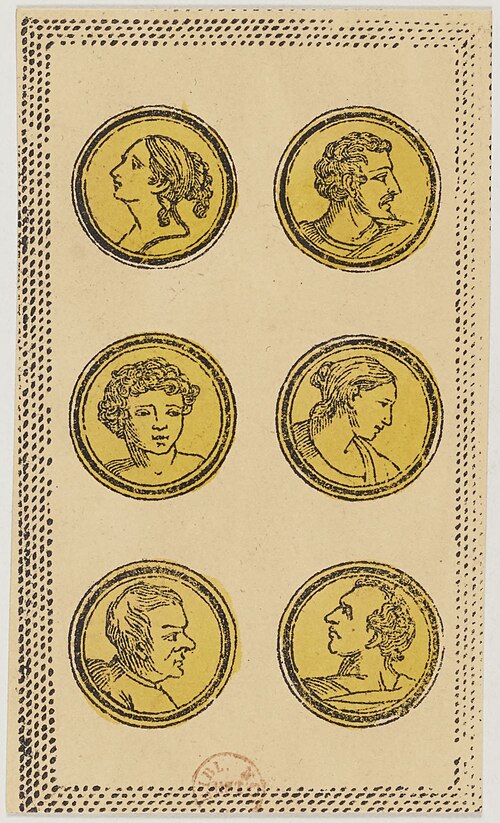
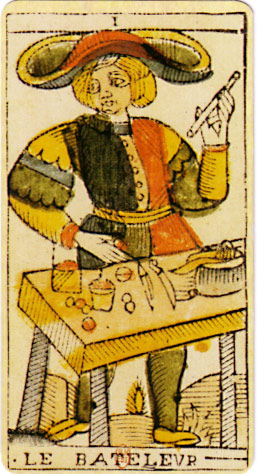
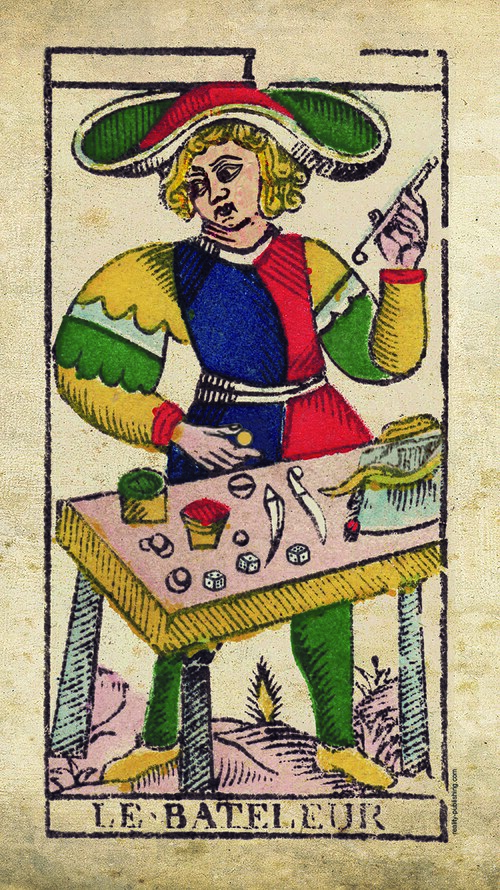
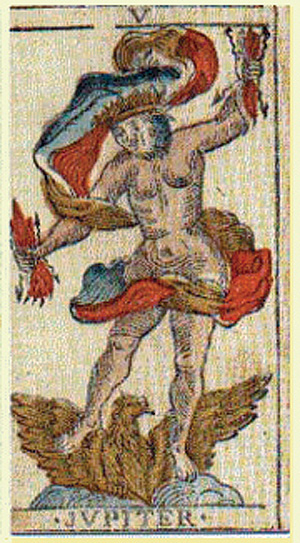
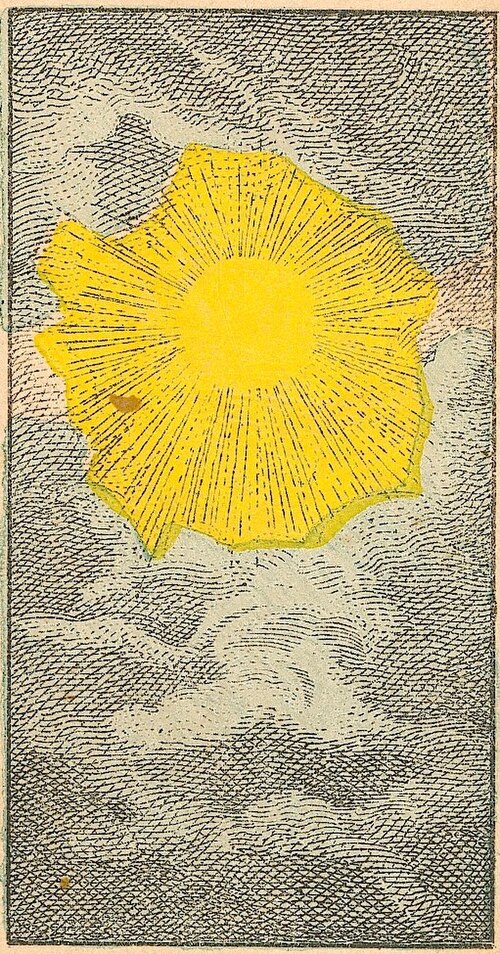
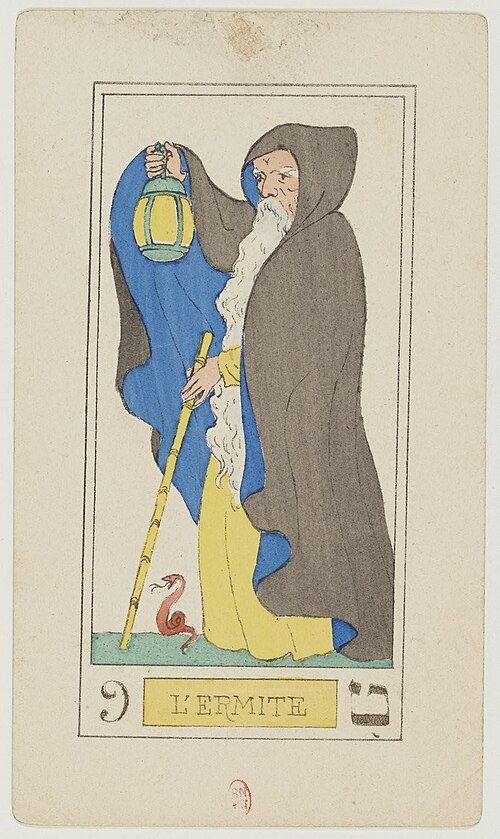
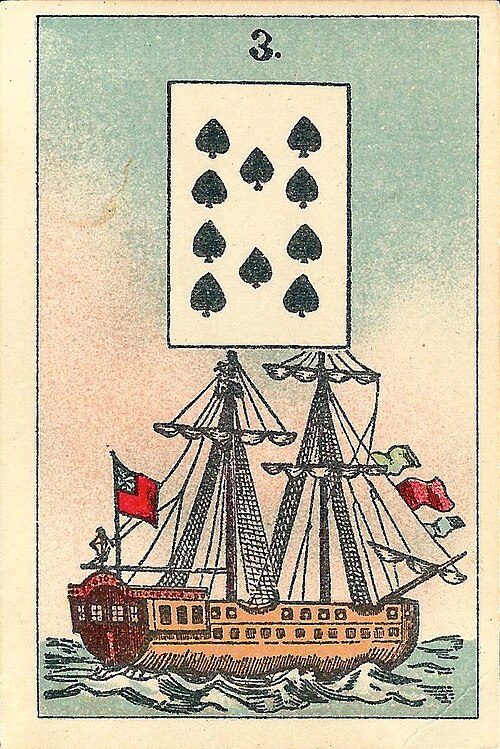
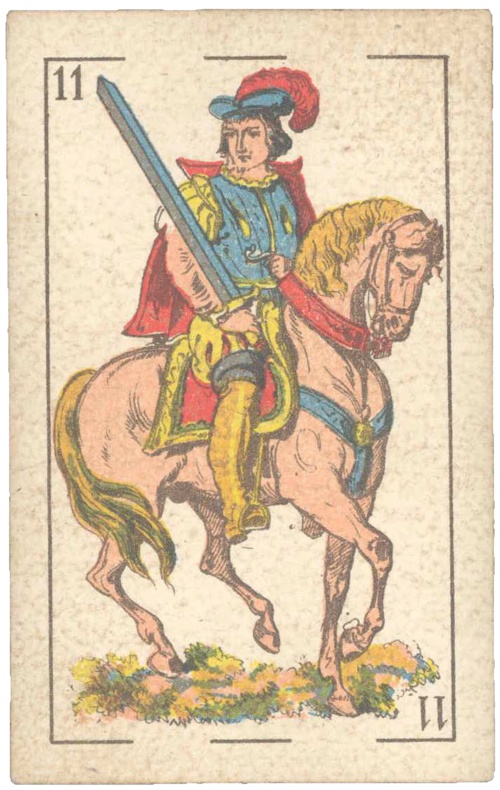
Each deck answers in its own manner. Tap any card to see who created it and who first used it.


Bring any matter you wish. These four are simply the ones people ask for most.
Where a relationship truly stands, what the other person intends, and where matters are heading if nothing changes.
One question, put plainly and answered without detour. For when a decision must be made and time is short.
An offer, a move, a choice you keep postponing. The cards show which door opens and which one is closing.
The classic three-card spread: how it began, where it stands now, and where it is tending.
The word is used loosely by almost everybody. Here is what it actually means, and what a psychic does with a deck of cards.
A psychic is someone who perceives information that does not arrive through the ordinary senses: an impression about a person, a situation, or the direction in which events are moving. The word itself comes from the Greek psychikos, meaning "of the soul" — it says nothing about cards, crystals or ceremony.
In practice a working psychic is a reader. Someone sits with your question, attends to what comes, and puts it into words you can use. Many use the tarot to give those impressions shape and order; others use nothing at all. The deck is not the gift. It is the frame the gift is read through.
And a psychic is not a fortune teller selling a fixed future. Nothing the cards show is beyond changing — a reading tells you where a thing is heading as matters presently stand, which is precisely what makes it useful.
A psychic works from impression: what is sensed about a person, a situation or a direction of travel. Many use the tarot to give that impression shape and order. Others work with no tool at all.
A deck gives an impression somewhere to land. The card that falls sets the subject, the position sets the timing, and the two together turn a vague feeling into something that can be said out loud and acted on.
In part. Anyone can learn the seventy-eight cards and what each one means. What cannot be taught is the attention: noticing which card a person reacts to, and knowing when to press and when to stop.
A reader worth your time listens before speaking, names the cards as they fall, and tells you the difficult parts as readily as the favourable ones. You should never be pressed to stay on the line, nor told something terrible will happen unless you pay for more.
Explore the 22 Major Arcana cards and their meanings.
Four suits of fourteen cards each. Where the Major Arcana speaks of the large movements of a life, these speak of the week you are actually living.
Ambition, energy and the drive to begin. Wands appear when something is being built, pushed forward or fought for. They speak of what you are doing, not what you are feeling.
The suit of the heart: affection, friendship, family, grief and reconciliation. When a reading turns heavily to Cups, the matter is emotional before it is anything else.
The hardest suit to hear and the most useful. Swords cut: arguments, betrayals, decisions, sleepless nights and the plain truth of a situation. They rarely flatter.
Also called Coins. The suit of material life: wages, property, security, the body and the slow accumulation of what lasts. Practical answers to practical questions.
Each suit closes with four figures. The Page brings news and beginnings; the Knight acts, often too fast; the Queen understands and holds; the King commands and decides. In a reading they usually stand for people around you — or for the manner in which you yourself are handling the matter.
The larger spreads a reader uses, what you should expect from someone who does this for a living, and what should never happen on the line.
Ten cards covering the matter, what crosses it, its root, its recent past, what is coming, your own position, those around you, your hopes and the likely end. The full examination.
Seven cards laid in an arc, used when a decision has several possible outcomes and you need to see each one laid beside the others.
Cards for you, cards for the other person and cards for what stands between you. Read when the question is about two people rather than one.
Twelve cards, one for each month. Taken at a birthday or a new year, to see the shape of what is coming.
Listens to your question before touching the deck. Names each card aloud as it falls and explains its position, so you can follow the reading rather than simply receive it.
Gives the unfavourable cards their proper weight instead of softening them, and tells you where the cards are unclear rather than inventing certainty.
Keeps to the time you paid for, and tells you when that time is nearly up.
No reader should tell you that a curse, a hex or a misfortune hangs over you and that it can be lifted for an additional payment. That is not tarot; it is a well-known fraud.
No reader should press you to stay on the line, refuse to end a reading, or make you feel that hanging up will bring consequences.
And no reader should ask for your bank details, your passwords or money outside the fixed price agreed before the reading began.
The cards are older than most people suppose, and their history is far less mysterious than the legends attached to them.
The tarot did not begin as an instrument of divination. It began as a pack of playing cards in northern Italy in the first half of the fifteenth century, known as carte da trionfi and later as tarocchi.
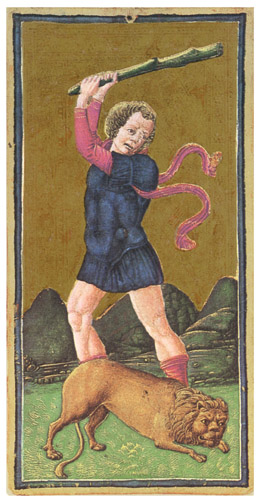
The earliest surviving packs were painted for the courts of Milan and Ferrara around 1440, hand-finished in gold leaf. The game played with them resembled bridge, the trumps taking the tricks.
Reading appears three centuries later, in France. In 1781 Antoine Court de Gébelin claimed the cards preserved the wisdom of ancient Egypt. The claim was false, but it was widely believed, and it changed what the tarot was for.
Soon afterwards a Parisian named Jean-Baptiste Alliette, writing as Etteilla, produced the first pack designed for divination rather than play.
The pack now most widely used appeared in London in 1909, devised by Arthur Edward Waite and drawn by Pamela Colman Smith, who illustrated all seventy-eight cards with a full scene rather than plain suit symbols.
That is why the modern deck reads so fluently: every card holds a picture, and the picture holds the meaning.
Seventy-eight cards in all. Twenty-two form the Major Arcana, which speak to the large movements of a life. The other fifty-six form the Minor Arcana, in four suits — Wands, Cups, Swords and Pentacles — covering work, feeling, conflict and money.
Yes. Every reading is given live by a human reader. No recordings, no bots, no automated answers of any kind.
Only your question. Your reader may ask your first name and date of birth. Nothing else is requested.
Yes. The line is attended twenty-four hours a day, every day of the year, holidays included.
The only official number for this website is +1 918 309 2106. Any other number presented as ours is not.